
How To Arrange Living Room Furniture?
A well-arranged living room can completely transform the atmosphere of a home. Whether you’re working with a small apartment or a spacious family room, strategic furniture placement ensures both comfort and functionality. We offer a curated selection of Living Room Furniture — including TV Stands, Coffee Tables, Shoe Racks, Tables, and Living Room Storage Cabinets — all designed to fit seamlessly into modern interiors. Here’s a detailed guide on how to arrange your living room furniture to maximize space, flow, and aesthetic appeal.
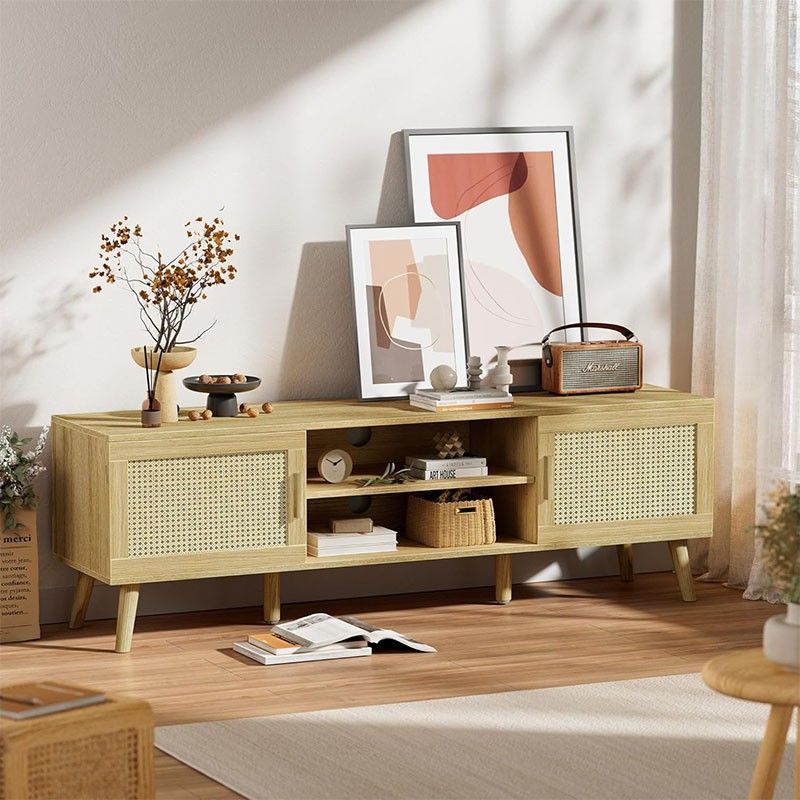
Table of Contents
- Understanding the Room Layout
- Step 1: Define a Focal Point
- Step 2: Create Balanced Seating Arrangements
- Step 3: Optimize Traffic Flow
- Step 4: Integrate Storage Solutions
- Step 5: Design an Entry Zone
- Step 6: Add Functional Surfaces
- Step 7: Maintain Visual Harmony
- Step 8: Consider Lighting and Ambience
- Step 9: Keep Accessibility in Mind
- Step 10: Personalize with Décor
- Conclusion
Understanding the Room Layout
Before moving any furniture, start by assessing the shape and function of your living room. Determine the focal point — this could be a TV unit, fireplace, or a large window. Measure the room dimensions carefully to understand how much space each piece will occupy.
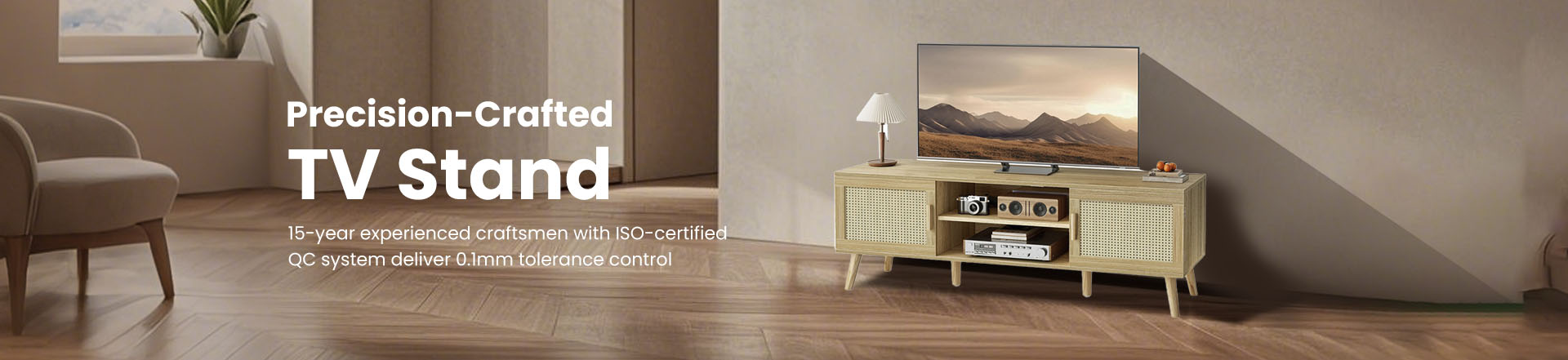
For instance, if you plan to use our TV Stand as the main feature wall, consider placing it opposite the main seating area to create balance. Our sleek and modern TV stands are built to complement various wall sizes and integrate well with cable management systems, keeping your living space clean and organized.
Step 1: Define a Focal Point
A focal point anchors the entire room’s design. If your entertainment system is the centerpiece, position the TV Stand centrally against a wall. Choose one of our solid-wood or stainless steel stands that blends durability with style.
Avoid cluttering the surrounding area — instead, add a Coffee Table in front of your sofa to establish a natural line of sight toward the focal point. The combination of these two elements enhances both visual symmetry and practical function.
Step 2: Create Balanced Seating Arrangements
Comfortable seating is the heart of any living room. Arrange sofas and chairs around your focal point in a way that promotes conversation. Leave at least 40–50 cm of space between the Coffee Table and the sofa for easy movement.
Our Coffee Tables are available in multiple sizes and finishes — from compact rectangular models for small rooms to expansive marble-top tables ideal for larger family settings. Pairing a sturdy table with your main seating set creates a harmonious gathering zone that feels open yet intimate.
Step 3: Optimize Traffic Flow
Efficient movement is essential in a functional layout. Avoid blocking pathways with bulky furniture. If your living room connects to other areas, such as the kitchen or hallway, maintain at least 75–90 cm of clearance for walking space.
Use our Tables and Living Room Storage Cabinets smartly along walls or corners. Their clean lines and minimalist structure make them ideal for defining zones without restricting flow. By positioning them thoughtfully, you can enhance accessibility and maintain a sense of openness.
Step 4: Integrate Storage Solutions
A clutter-free living room feels larger and more inviting. Utilize our Living Room Storage Cabinets to store books, decorative items, or daily essentials. Their multi-compartment design helps you organize electronics, magazines, or even blankets efficiently.
If you prefer hidden storage, select cabinets with enclosed doors or drawers to maintain a tidy appearance. Alternatively, open-shelf designs allow you to display curated décor pieces while keeping frequently used items within reach.
Step 5: Design an Entry Zone
If your living room doubles as an entryway, incorporating a Shoe Rack ensures that clutter doesn’t spread indoors. Our Shoe Racks combine practicality with aesthetics, featuring multiple tiers and smooth finishes that blend effortlessly with contemporary interiors.
Position the rack near the door for easy access, ideally next to a small side table or bench for convenience when putting on or removing shoes. This simple addition can dramatically improve your room’s organization.
Step 6: Add Functional Surfaces
Beyond the main seating area, additional tables can make your living room more versatile. Side tables next to armchairs provide a spot for drinks or lamps, while compact Tables near corners can hold décor or plants.
Our durable tabletops are made from premium materials that resist scratches and moisture, making them perfect for both everyday use and entertaining guests. By combining functionality with design, these tables contribute to a cohesive and adaptable space.
Step 7: Maintain Visual Harmony
While arranging furniture, pay attention to proportion and symmetry. Mix pieces of different heights and textures to avoid monotony, but ensure they share a consistent style theme. For instance, pairing our wood-grain TV Stand with a glass Coffee Table and matte-finish Storage Cabinet can create a modern yet balanced composition.
Maintain color coordination among furnishings to tie the entire room together. Subtle contrasts between light and dark tones often help create visual depth without overwhelming the eye.
Step 8: Consider Lighting and Ambience
Lighting completes the design by emphasizing furniture placement and mood. Use ceiling lights, floor lamps, or wall sconces to highlight specific zones — such as the seating area or storage wall.
Our furniture’s finishes are designed to reflect light softly, enhancing the natural brightness of your space. Position lamps near reflective surfaces like the Coffee Table or TV Stand to create a warm, welcoming glow during evenings.
Step 9: Keep Accessibility in Mind
Every functional living room should accommodate daily activities easily. Ensure remote controls, books, and beverages are always within reach. Avoid placing large furniture too close to electrical outlets or air vents.
Our Tables and Storage Cabinets come with thoughtful design proportions to ensure you can maintain access to essential utilities while keeping the room neat. Their modular structure allows for flexible reconfiguration whenever your layout needs a refresh.
Step 10: Personalize with Décor
Once your main furniture layout is set, personalize the room with artwork, cushions, and rugs. Use rugs to anchor seating areas and define zones within open-plan spaces. Complement your décor with accessories that highlight the clean lines of your Coffee Table or the minimalist finish of your Storage Cabinet.
A few well-placed décor items will enhance the character of your living room without overwhelming it. The goal is to create a cohesive, lived-in atmosphere that reflects your personality while keeping the design elegant and practical.
Conclusion
Arranging living room furniture is both a creative and functional process. By combining TV Stands, Coffee Tables, Shoe Racks, Tables, and Storage Cabinets from our collection, you can design a balanced and beautiful living environment that meets your lifestyle needs.
Our furniture range is crafted to provide timeless appeal, smart organization, and lasting durability — helping you transform any living space into a comfortable, stylish retreat. Visit our collection today to discover how our modern furniture can redefine your home’s interior design.
Previous: How To Pick Living Room Furniture?