
How To Decorate A Coffee Table?
A Coffee Table is more than just a place to set your cup—it’s the visual centerpiece of the living room and a reflection of your lifestyle. Whether you choose a lift-top coffee Table with storage or a compact side-style coffee table, the way you decorate it defines the character of the entire space. Below, we’ll explore how to decorate your coffee table across different interior styles—each balancing functionality and aesthetic appeal—so your living room feels complete and cohesive.
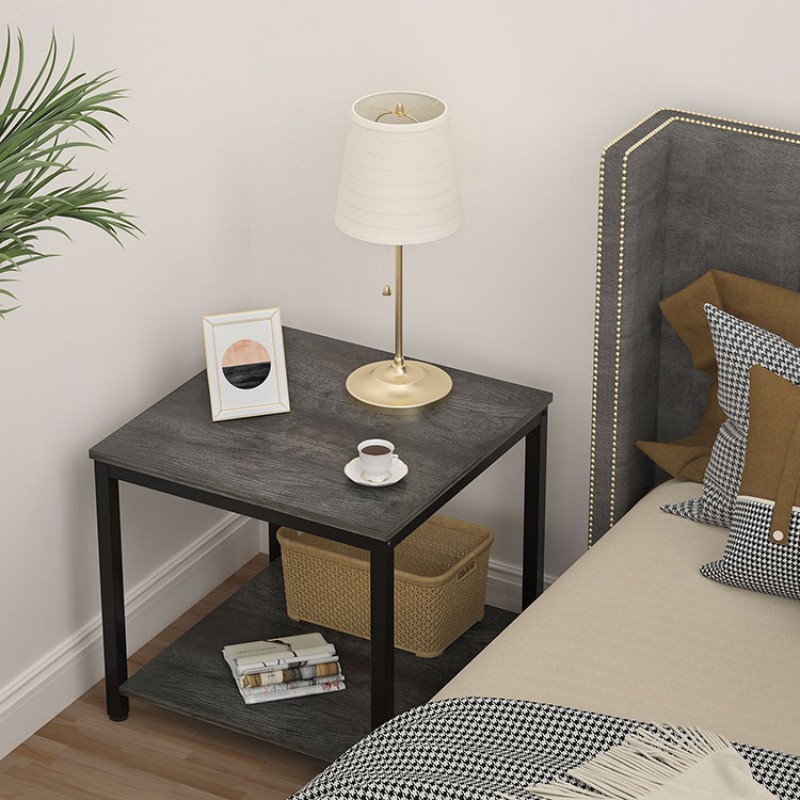
Table of Contents
- Understanding the Role of a Coffee Table
- Core Styling Principles
- Modern Minimalist Style
- Industrial Urban Style
- Rustic Country Style
- Scandinavian Simplicity
- Contemporary Elegance
- Bohemian Eclectic Style
- Coastal Relaxed Style
- Transitional Living Style
- Seasonal Refresh Ideas
- Practical Arrangement Tips
- Conclusion
Understanding the Role of a Coffee Table
Before adding décor, consider how your coffee table fits into the room’s flow. It’s both a functional surface and a visual anchor, linking your seating area with lighting, rugs, and accent pieces.
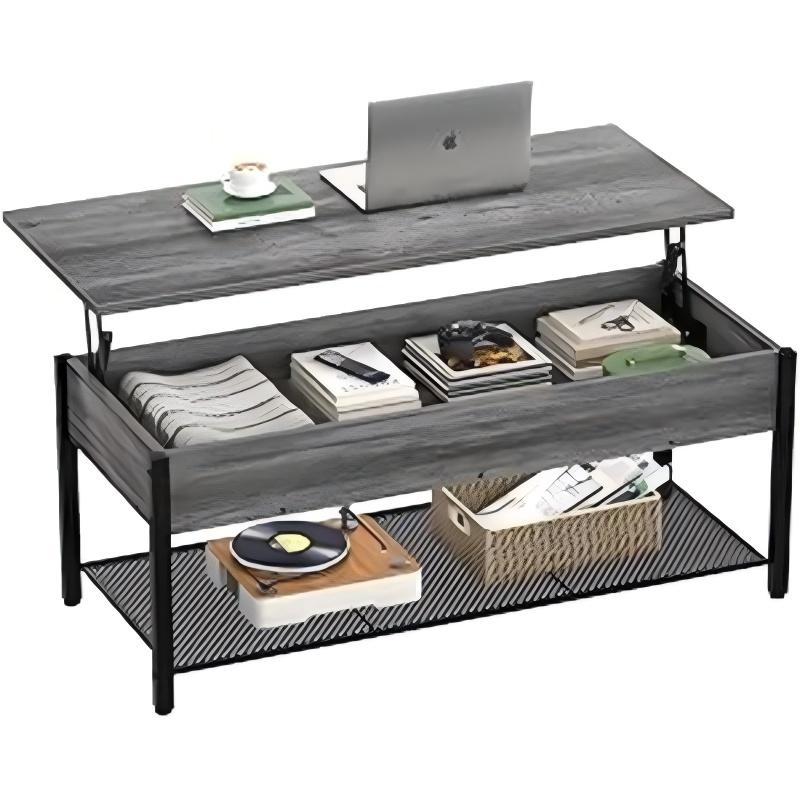
Our featured designs—a rectangular lift-top model with a textured grey finish and a smaller square table with rustic brown wood grain—are versatile enough to fit diverse aesthetics. The first offers hidden storage for a clean minimalist look, while the second emphasizes warmth and comfort in cozy settings.
The goal is to style your table so it feels intentional, balanced, and personal—never crowded or empty.
Core Styling Principles
1. Layer Heights and Textures
Combine tall and short items: a low stack of books, a medium candle, and a tall vase or lamp. This creates a gentle rhythm and avoids flatness.
On the lift-top coffee table, layering also works vertically—when the top rises, it naturally divides the visual height, letting you highlight pieces both above and below.
2. Balance Function and Art
A good layout always includes practical elements—like coasters, trays, or remote holders—alongside decorative ones such as flowers or sculptures. The lower shelf or lift compartment is perfect for concealing daily clutter.
3. Keep Movement in Mind
Leave open space for daily use. Your decorations should never block laptop space or dining function. Our tables are designed for adaptability—compact frames but ample storage—making it easier to switch between work, relaxation, and display.
Modern Minimalist Style
The minimalist approach focuses on clarity, function, and neutral tones. To achieve this look:
Use a monochromatic color palette—white, grey, and black.
Place only a few items: a matte-finish vase with a single branch, a minimal candle, and one neutral-toned book.
Let the natural material of the table—like the slate-grey top and black metal frame—be the statement piece itself.
Store accessories inside the lift-top compartment to maintain a clean surface.
This style emphasizes visual calm and architectural balance, ideal for modern apartments or office-style living areas.
Industrial Urban Style
Industrial interiors celebrate raw materials and bold contrast—perfect for the darker-toned, metal-structured lift-top coffee table.
Combine wood, iron, and textured fabrics for depth.
Decorate with items like an antique clock, concrete planter, or distressed leather-bound books.
Use the bottom shelf to store rustic baskets or folded throws.
Add a soft accent—like a linen runner—to counterbalance the strength of metal edges.
This setup creates a lived-in urban feel while keeping functionality intact, blending vintage character with modern purpose.
Rustic Country Style
Rustic style thrives on warmth, authenticity, and natural comfort, making our brown wood coffee table the centerpiece of a welcoming home.
Choose organic materials: woven trays, wooden bowls, or handmade pottery.
Layer with a cotton or burlap runner for texture.
Place a small vase of dried flowers or greenery to evoke nature’s simplicity.
Add cozy elements—like candles in glass jars or small seasonal ornaments.
This aesthetic works beautifully in family rooms or country-style interiors where warmth and familiarity matter most.
Scandinavian Simplicity
Scandinavian design blends function, light, and calm. The key lies in effortless beauty and subtle contrast.
Keep the tabletop uncluttered: one neutral-colored ceramic vase, a small stack of art books, and a candle.
Stick to soft tones like ivory, ash, and pale beige.
Pair the table with a wool rug and light curtains for harmony.
Add a single black or grey accent—like a modern lamp—to connect with the table’s frame.
The result feels tranquil yet complete, making your space both inviting and practical.
Contemporary Elegance
If your home leans toward modern sophistication, focus on symmetry and refined materials.
Use a mirrored tray to hold glass or metallic accents.
Incorporate a sculptural candleholder and a minimalist photo frame.
Balance visual weight—place one substantial object (like a decorative bowl) offset by two smaller, lighter items.
The lift-top table’s clean lines allow metallic or glossy textures to stand out without overpowering the scene.
This composition feels luxurious but not excessive—ideal for living rooms that balance daily use with a polished look.
Bohemian Eclectic Style
Boho interiors thrive on color, pattern, and collected charm, and our rustic coffee table serves as the perfect grounding base.
Layer textures: macramé coasters, handwoven placemats, or vintage scarves as runners.
Mix organic elements—terracotta pots, driftwood, and patterned ceramics.
Display books, crystals, or personal keepsakes that tell stories.
Keep lighting warm and ambient; a low lamp or lantern adds a cozy tone.
Here, imperfection is beauty. Each layer adds individuality, turning your table into a reflection of travel, memory, and creativity.
Coastal Relaxed Style
The coastal theme focuses on light, air, and effortless tranquility—a great match for both our table finishes.
Keep colors soft: white, seafoam, beige, and driftwood grey.
Add natural accents like seashells, coral pieces, or rope-wrapped candleholders.
Use a woven basket on the bottom shelf to store magazines or lightweight throws.
A clear glass vase with fresh greenery completes the airy aesthetic.
This style brings seaside serenity indoors, ideal for bright spaces filled with natural light.
Transitional Living Style
Transitional design bridges classic and modern worlds with neutral palettes and balanced proportions.
Choose understated décor: two large books, a ceramic vase, and a decorative tray.
Combine polished and matte surfaces for quiet sophistication.
Use the hidden storage to keep remotes, stationery, and chargers out of sight.
Add a small centerpiece bowl to maintain formality while keeping function.
It’s timeless and easy to adapt across changing trends—perfect for multipurpose family rooms.
Seasonal Refresh Ideas
You can refresh your coffee table’s look without buying new furniture—just adjust by season.
Spring: Display tulips or a bowl of citrus fruits with a pastel linen mat.
Summer: Swap to seagrass textures and ocean-inspired objects.
Autumn: Add amber glass vases, pinecones, and soft candlelight.
Winter: Use layered wool runners and metallic accents for warmth and reflection.
Our coffee tables’ neutral tones and strong structure make them ideal for year-round restyling.
Practical Arrangement Tips
Rule of Thirds: Divide your tabletop visually into three zones—decorative, functional, and open space.
Vary Materials: Contrast matte and shiny, smooth and textured for visual interest.
Symmetry vs. Asymmetry: Symmetry suits formal rooms, while asymmetry adds energy and personality.
Add Greenery: A small plant or fresh bloom softens hard surfaces and brings freshness.
Maintain Ease of Use: Leave space for daily living—our lift-top model makes that effortless.
When arranged thoughtfully, the table enhances both style and usability without feeling overdesigned.
Conclusion
Decorating a coffee table is about creating a focal point that unites form and function. Whether you choose the lift-top design for modern convenience or the compact rustic model for timeless warmth, each piece offers endless styling potential.
By understanding the principles of proportion, layering, and mood—and tailoring them to your chosen aesthetic—you can transform an ordinary surface into a refined statement of personality.
Our coffee tables are designed to evolve with your style, seamlessly fitting into modern, rustic, or minimalist settings while keeping life’s essentials within reach. With the right balance of practicality and artistry, your coffee table becomes more than furniture—it becomes the heart of your living room.
Previous: How Tall Should A Coffee Table Be