
How Tall Should A Coffee Table Be
The right Coffee Table height transforms a living room from awkward to perfectly balanced. It determines comfort when reaching for drinks, creates harmony between sofa and seating, and impacts the flow of movement across the room. Choosing the ideal height isn’t just about aesthetics—it’s about ergonomics, proportion, and how you actually live in your space.
This article explains in depth how tall a coffee Table should be, how to measure it correctly, and how different styles, functions, and room layouts influence that decision.
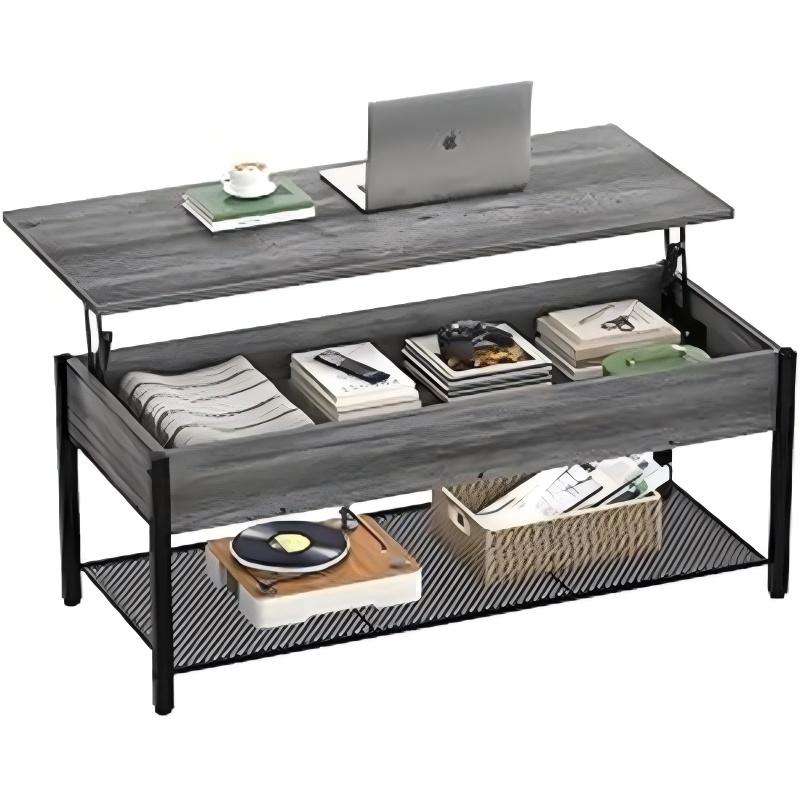
Table of Contents
1. Understanding Standard Coffee Table Height
Most interior designers agree that the standard coffee table height should range between 16 to 18 inches (40–46 cm). This range works best for the majority of sofas, which usually have seat heights around 17 to 19 inches. The guiding principle is simple: your coffee table should sit at the same height as your sofa seat or 1–2 inches lower.
Why this height works:
Comfortable Reach: When you sit down, your arm naturally extends forward to set down a cup or pick up a magazine. Matching the table to seat height prevents excessive bending or stretching.
Visual Proportion: A table that aligns with the seat cushions creates a cohesive, balanced look. Taller or shorter tables can distort the harmony of the room’s central focal point.
Functional Flow: Keeping the table at this height ensures it doesn’t interfere with leg movement or block sight lines between sofas and chairs.
| Sofa Seat Height | Recommended Coffee Table Height | Common Use |
|---|---|---|
| 16–17 in (40–43 cm) | 15–16 in (38–41 cm) | Low modern sofas or lounge seating |
| 17–18 in (43–46 cm) | 16–18 in (40–46 cm) | Standard living room setups |
| 19–21 in (48–53 cm) | 18–20 in (46–51 cm) | Formal or high-seated sofas |
Even within these ranges, there’s room for customization depending on how you use your living area.
2. Measuring for the Perfect Fit
Finding the ideal height starts with careful measurement—not guesswork. Every piece of furniture contributes to balance, and a difference of even one inch can change how the space feels.
Step 1: Measure Your Sofa Seat Height
Use a tape measure to find the distance from the floor to the top of the seat cushion while you’re sitting. Cushion compression affects measurement, so don’t measure an empty seat—sit as you normally would to get the realistic number.
Step 2: Determine Your Comfort Range
Once you have the sofa seat height, your coffee table should sit even with or slightly below that measurement. Tables more than 2 inches higher or lower may feel awkward and unbalanced.
Step 3: Test the Distance Between Sofa and Table
Ideal gap: Leave 16–18 inches between the sofa edge and the table.
This space lets you stretch your legs comfortably without feeling cramped.
It also provides enough reach to grab items on the table without leaning excessively.
Step 4: Visualize the Room Balance
Sit in different positions and view the space from standing height. A good coffee table should appear proportionate, neither dominating nor disappearing in the layout.
Pro Tip: If you use rugs, measure the sofa and table after placing the rug. The added height of the carpet can subtly shift proportions.
3. Adjusting Height for Lifestyle, Sofa Style, and Function
There’s no universal “one height fits all.” Your living habits and sofa design influence what height feels natural. Consider how you use your living room—whether for entertaining, lounging, working, or dining—and adjust accordingly.
A. For Everyday Relaxation and Entertainment
If you mostly use the table for drinks, snacks, and décor, staying within the standard 16–18-inch range is ideal. It’s comfortable for resting your arms or placing food trays without obstructing conversation.
Design Tip: In open-plan living rooms, keeping the coffee table height consistent with nearby side tables and console surfaces helps the entire layout feel unified.
B. For Deep Sofas or Lounge Seating
Lounge-style sofas, sectionals, or recliners often sit lower to create a relaxed look. For these, choose a lower table around 14–16 inches. This preserves proportion and prevents the table from visually “towering” over the seating.
Why it works: Deep, low sofas pair naturally with shorter tables because both emphasize casual comfort and horizontal flow. Taller tables can feel bulky and disrupt the room’s tranquil rhythm.
C. For Work or Dining at the Sofa
If you frequently use your coffee table for laptop work, casual meals, or writing, a taller surface (around 19–21 inches) may be more ergonomic. Lift-top designs are particularly useful, allowing you to adjust height dynamically.
| Use Type | Recommended Height | Benefit |
|---|---|---|
| Occasional laptop use | 19 in (48 cm) | Reduces slouching and neck strain |
| Eating at the sofa | 20–21 in (51–53 cm) | Brings food closer to comfortable dining height |
| Family game nights | 18–20 in (46–51 cm) | Keeps all players within easy reach |
These multifunctional tables blend convenience with versatility, especially in apartments or small homes where the coffee table doubles as a workspace.
D. For Aesthetic Balance in Different Styles
Modern minimalist rooms: Choose slightly lower tables to maintain clean sight lines.
Traditional or transitional interiors: A table that matches or slightly exceeds seat height provides a grounded, elegant presence.
Scandinavian and Japanese interiors: Prioritize low, simple silhouettes (14–16 inches) for a calm, open atmosphere.
Each design style communicates through proportion. Height consistency helps reinforce the overall mood of your space.
4. Practical Guidelines for Harmonious Design
The height of your coffee table doesn’t exist in isolation—it interacts with every other piece of furniture around it. The following guidelines integrate comfort, usability, and proportion to ensure your selection feels intentional.
4.1 Combine Height with Length and Width
A balanced coffee table should also follow length and width rules relative to the sofa.
| Dimension | Recommended Range | Purpose |
|---|---|---|
| Length | About ⅔ the length of your sofa | Ensures balanced visual weight |
| Width | 18–24 inches | Allows space for décor and daily use |
| Height | Seat height or up to 2 inches lower | Maintains ergonomic comfort |
These proportions guarantee the table feels central without overwhelming the layout.
4.2 Adjust for Room Functionality
Think about traffic flow—you should be able to move freely without bumping into corners. In compact rooms, a slightly lower table visually expands space by keeping sight lines open. For larger living rooms, a taller table with structural weight anchors the seating area.
Spacing Tips:
Maintain 30–36 inches of walking space around the coffee table if possible.
Avoid crowding side chairs; ensure guests can comfortably enter and exit seating areas.
4.3 Consider Material and Design Thickness
Material thickness influences perceived height. For example:
Thick tabletops in marble, reclaimed wood, or stone appear heavier—opt for slightly lower heights to prevent visual bulk.
Slim metal or glass tables can be a bit taller without seeming oversized.
Ottoman-style tables with cushioned tops may appear taller due to softness but compress under weight, aligning with sofa height when in use.
Example:
A 17-inch solid oak table may feel as “tall” as a 19-inch glass table because the dense material visually carries more weight.
4.4 Adapt to Multiple Seating Types
If your living room includes different seating—like accent chairs, loveseats, or poufs—find a middle height that suits all. For instance, with one low sectional and one high-back chair, a 17-inch table provides universal usability.
Design Insight:
Choose adjustable or nesting coffee tables if your seating heights vary significantly. This flexibility keeps the arrangement visually consistent and functionally adaptable.
4.5 Visual Harmony and Style Expression
Height also contributes to room harmony and visual rhythm:
In modern spaces, a coffee table slightly lower than the sofa emphasizes openness.
In classic interiors, keeping the table even with the seat height conveys formality and symmetry.
In eclectic or bohemian designs, height contrast can be intentional—pairing a lower coffee table with higher side tables creates layered visual depth.
4.6 Test Before Buying
Before purchasing, simulate the height using boxes, stacked books, or a temporary platform:
Sit naturally on your sofa and test arm movement when placing or lifting an item.
If you must lean excessively, the table is too low.
If your elbow rises uncomfortably, the table is too high.
Testing ensures you choose a height that supports everyday comfort, not just aesthetic preference.
4.7 Avoid Common Mistakes
Ignoring sofa compression: Measure seat height with weight on the cushion—softer seats can sink an inch lower.
Choosing based only on looks: The most elegant table loses value if it’s uncomfortable to use daily.
Buying oversized for small rooms: A tall, heavy table can make a compact space feel congested.
Neglecting material weight: Lighter materials can appear taller; dense ones can make a table seem shorter.
Correcting these mistakes makes your furniture both visually cohesive and functionally intuitive.
Conclusion
The ideal coffee table height depends on sofa seat height, lifestyle, and aesthetic intent, but the golden range of 16–18 inches remains the best starting point. Always aim for a table that is even with or slightly lower than your sofa seat, maintaining harmony between comfort and design.
Measure accurately, consider how you use the space, and observe how the table interacts with surrounding furniture. A well-proportioned coffee table enhances not only visual appeal but also the daily experience of your living area—turning your sofa setup into a seamless blend of relaxation, practicality, and refined design.
Previous: How To Pick A Coffee Table