
How To Pick A Coffee Table
Choosing the right Coffee Table is about far more than filling an empty space in front of your sofa. A coffee Table anchors the entire living room—it defines the seating area, influences how people move through the space, and adds both style and function to daily living. Whether you’re designing a minimalist apartment or a large family room, the right coffee table must strike a balance between proportion, practicality, and personality.
This guide explains in detail How To Pick A Coffee Table that perfectly matches your room’s layout, furniture, and lifestyle.
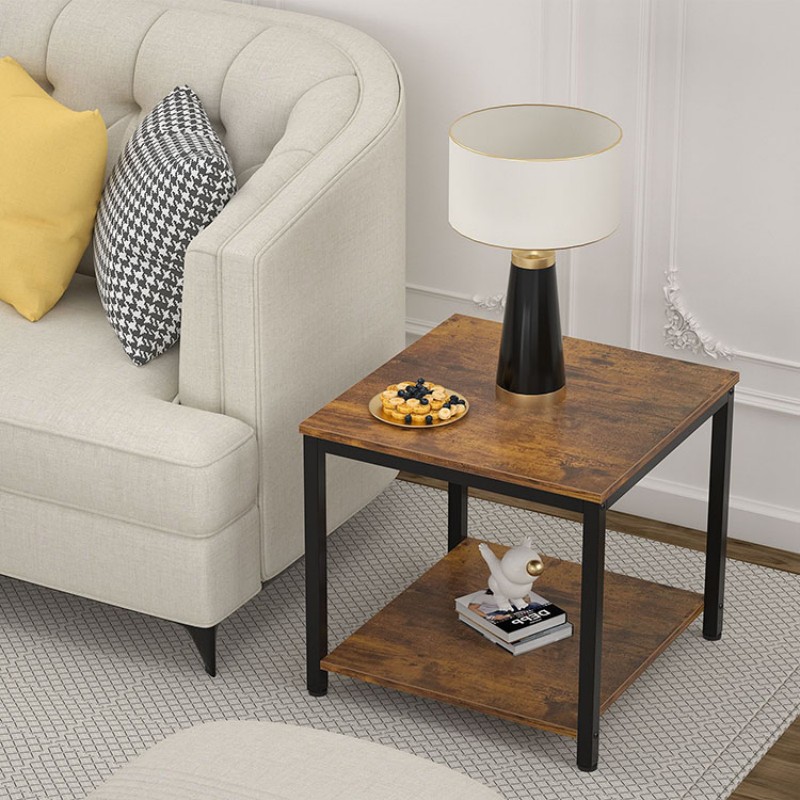
Table of Contents
1. Determine the Right Size and Proportion
The first step in selecting a coffee table is getting the dimensions right. Size directly affects the balance of your living space and how comfortable it feels to move around.
A. Measure the Sofa Length
A general rule of thumb is that your coffee table should be about two-thirds the length of your sofa. This ensures it looks visually centered and allows each seat easy access to the table.
| Sofa Length | Ideal Table Length | Example Use |
|---|---|---|
| 72 in (183 cm) | 48 in (122 cm) | Apartment sofa or loveseat |
| 84 in (213 cm) | 56 in (142 cm) | Standard three-seater |
| 96 in (244 cm) | 64 in (163 cm) | Large sectional or deep sofa |
If your seating layout includes multiple sofas or a sectional, measure the longest edge and choose a table length that aligns with the visual center of the seating arrangement.
B. Pick the Correct Height
The height of a coffee table should complement your sofa’s seat height. The ideal height is equal to or 1–2 inches lower than the top of your seat cushion.
Standard coffee tables range between 16–18 inches (40–46 cm).
If you often eat or work at your coffee table, opt for a slightly taller table around 19–21 inches.
For lounge or low-profile sofas, a shorter table (14–16 inches) creates a modern, laid-back feel.
Tip: Always measure the sofa seat height while someone is sitting on it—cushions compress and can change the final measurement.
C. Maintain Comfortable Spacing
Allow at least 16–18 inches between the sofa edge and the coffee table. This gives enough legroom while keeping the surface within easy reach. If your space is large, maintain about 30–36 inches of walking space between the table and other furniture pieces.
D. Consider Shape According to Room Layout
| Room Type | Ideal Table Shape | Why It Works |
|---|---|---|
| Small living room | Round or oval | Soft edges improve traffic flow and prevent collisions. |
| Long or narrow room | Rectangular | Enhances linear balance and aligns with sofa proportions. |
| Large open space | Square or oversized rectangle | Anchors the layout visually. |
| Sectional or L-shaped seating | Round or nesting tables | Fill corner gaps and maintain movement flexibility. |
Choosing the right shape not only improves aesthetics but also makes the room feel more intuitive and spacious.
2. Match Style and Material to Your Interior Design
The coffee table acts as the visual centerpiece of your living area, so it must harmonize with the overall design theme while expressing your personal taste.
A. Match the Table Style to the Room’s Mood
Think about the design direction of your room—modern, rustic, minimalist, or classic—and select a table that complements it.
| Interior Style | Recommended Coffee Table Features |
|---|---|
| Modern / Contemporary | Clean lines, glass or metal tops, geometric bases, minimalist silhouettes |
| Scandinavian | Light wood finishes, rounded edges, simple functionality |
| Industrial | Metal frames, reclaimed wood, visible bolts, dark finishes |
| Bohemian / Eclectic | Textured materials like rattan or carved wood, mixed colors |
| Traditional | Solid hardwood, ornate legs, polished surfaces |
| Coastal / Farmhouse | Whitewashed finishes, wicker baskets, distressed wood textures |
When pairing with existing furniture, balance contrast—if your sofa is heavy and dark, a lighter table (glass, marble, or metal) keeps the space from feeling too dense.
B. Choose Materials That Fit Lifestyle Needs
Different materials serve different priorities—durability, maintenance, or visual warmth.
| Material | Advantages | Best For |
|---|---|---|
| Wood | Warm, timeless, and easy to match; available in oak, walnut, or ash | Classic interiors or natural tones |
| Glass | Opens small spaces visually, reflects light, easy to clean | Modern apartments, minimalist rooms |
| Metal | Strong and sleek, often used with glass tops | Industrial or contemporary spaces |
| Marble / Stone | Luxurious appearance, long-lasting | High-end or elegant interiors |
| Rattan / Wicker | Light, natural texture, easy to move | Bohemian or coastal settings |
| Acrylic / Lucite | Transparent and modern, creates illusion of space | Small or modern living rooms |
| Upholstered (Ottoman-style) | Soft edges, child-safe, multipurpose | Family homes or casual living spaces |
Design Insight: Mixing materials can make a room feel dynamic. For example, a wood table with metal legs ties rustic and industrial styles together seamlessly.
C. Mind the Color and Finish
The color and finish of your table should either blend with your décor for harmony or contrast for emphasis:
Blend: Use similar tones as your flooring or furniture for a cohesive look.
Contrast: Choose a darker or lighter finish to make the coffee table a focal point.
Neutral Palette Rooms: Introduce color through a coffee table with subtle undertones—muted greens, blues, or natural stone patterns can break monotony without overwhelming the space.
A matte finish brings a contemporary, understated look, while glossy finishes reflect light and feel more formal.
3. Prioritize Functionality and Daily Use
A coffee table should not only look beautiful but also serve your everyday needs. Think about what you do most in the living room and choose functionality accordingly.
A. Tables with Storage
If you live in an apartment or prefer a clutter-free surface, opt for coffee tables with drawers, shelves, or hidden compartments.
| Storage Type | Benefits | Ideal For |
|---|---|---|
| Open shelves | Easy access to books or remotes | Family rooms or casual spaces |
| Hidden drawers | Keeps clutter out of sight | Modern, minimalist homes |
| Lift-top compartments | Dual-purpose for working or dining | Small spaces or home offices |
| Basket storage | Adds texture and warmth | Boho or rustic rooms |
Storage tables maintain order while preserving style. They’re especially useful for families with kids or shared living areas.
B. Multipurpose or Adjustable Designs
Modern living often requires flexible furniture. Lift-top tables, nesting tables, and expandable designs adapt to multiple situations:
Lift-top tables double as laptop desks or dining surfaces.
Nesting tables provide extra surfaces for guests but tuck neatly away afterward.
Folding or modular tables are perfect for smaller spaces or frequent rearrangements.
These designs maximize functionality without sacrificing aesthetics.
C. Durability and Maintenance
Choose materials that can handle your lifestyle:
For families or pets: Rounded corners, sturdy construction, and stain-resistant finishes are practical choices.
For entertainers: Scratch-proof tops or metal edges prevent damage from frequent use.
For easy cleaning: Glass, metal, or sealed wood surfaces wipe down easily with a damp cloth.
Regular maintenance matters—wood may require occasional polishing, while stone and marble need sealing to resist stains.
D. Accessibility and Safety
The table should be comfortable for everyone to use:
Keep sharp-edged or pointed corners away from high-traffic areas.
Rounded or soft-edged designs are safer for homes with children or elderly residents.
Avoid tables that wobble or shift easily—stability is essential for everyday use.
4. Balance Aesthetics, Layout, and Comfort
A perfect coffee table connects all visual and functional elements of your living room. Beyond measurements and material, consider how it contributes to overall atmosphere and usability.
A. Harmonize with Other Furniture
The coffee table sits at the center of your furniture arrangement, so it must visually tie everything together:
If you have a large sectional, a rectangular or round table ensures every seat has access.
For two facing sofas, a long rectangular table keeps proportions symmetrical.
If you own a chaise lounge, position the table so that both the chaise and sofa seats can reach comfortably.
Matching metal tones (such as gold, black, or brushed silver) across light fixtures and table legs creates cohesion throughout the room.
B. Layer with Rugs and Décor
A rug defines the boundary of your seating area. Place your coffee table centered on the rug or partially overlapping its pattern for a deliberate, anchored look.
For styling:
Add books, a small tray, and a vase to create visual hierarchy.
Keep negative space around objects so the tabletop doesn’t look crowded.
Mix textures—glass, metal, and greenery add balance to solid furniture pieces.
Your coffee table should feel intentional, never like an afterthought. The goal is a balance between function and composition—beautiful but livable.
C. Comfort and Room Flow
Comfort isn’t just about physical use; it’s also about how people move around the furniture.
Leave enough clearance so guests can walk by without bumping knees.
In small rooms, consider a round table—it allows smoother traffic flow and reduces visual bulk.
For large open spaces, use an oversized rectangular table or two smaller tables side by side to anchor the seating area.
D. Lighting and Visibility
A coffee table interacts with light more than most furniture pieces because it occupies the room’s center. Reflective materials like glass or polished metal amplify brightness, while matte wood adds warmth.
Design trick: If your living room has limited natural light, choose a lighter finish or reflective surface to bounce illumination and create a more open feel.
Conclusion
Picking the perfect coffee table is about aligning form, function, and proportion. The ideal piece fits your sofa height, complements your décor, and supports your daily lifestyle. Measure carefully, choose materials suited to your environment, and think about how the table interacts with the entire room rather than as a standalone item.
A well-chosen coffee table unites your living room’s design, balances comfort and beauty, and turns a simple piece of furniture into the true heart of your home.
Previous: How To Build A Bar Cabinet