
Are Bookcases And Bookshelves The Same?
Many homeowners and designers use the terms “Bookcase” and “bookshelf” interchangeably, but these two pieces of furniture are not always the same. While both store books and decorative items, their structure, installation method, and intended use often differ. Understanding these differences helps in choosing the right storage solution for homes, offices, and studios. As interior spaces evolve toward more functional and flexible layouts, selecting the appropriate form of book storage becomes even more important. DAKSHOME designs storage furniture with attention to structure, load-bearing capability, and aesthetics, ensuring practical solutions for varying needs. Knowing whether a bookcase or a bookshelf suits your space improves organization and enhances the room’s overall design.
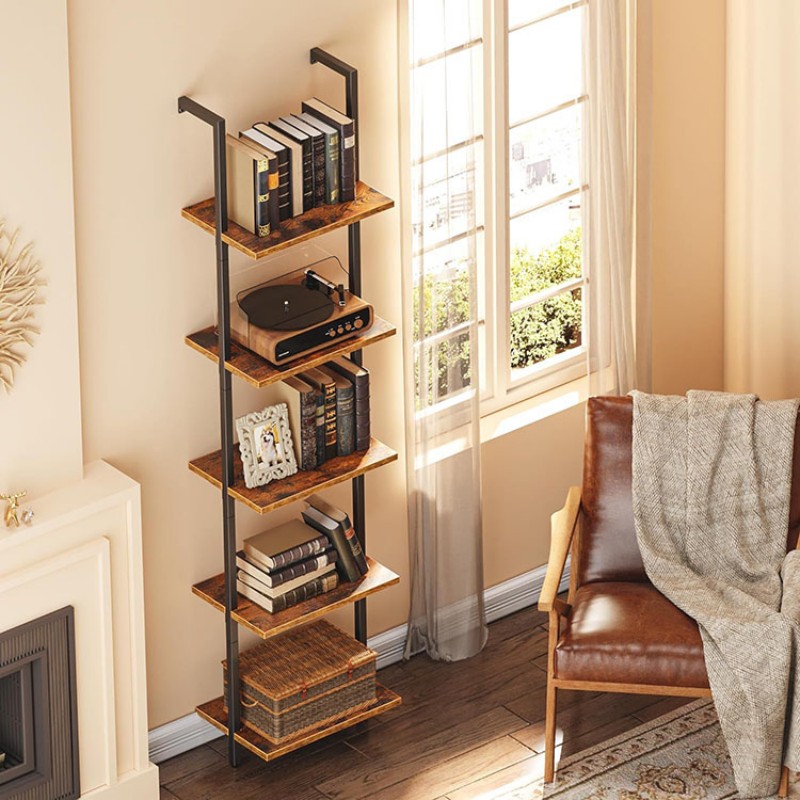
Table of Contents
- Understanding the Core Difference Between Bookcases and Bookshelves
- Structural and Design Differences
- How Space Planning Influences the Choice
- Functional Differences in Everyday Use
- Aesthetic and Decorative Considerations
- Durability and Load-Bearing Capacity
- Versatility and Placement Throughout the Home
- Understanding When Each Option Is Appropriate
- Conclusion
Understanding the Core Difference Between Bookcases and Bookshelves
A bookcase is typically a freestanding structure with a full frame, while bookshelves are often individual shelves or wall-mounted units without a full enclosing frame. Bookcases stand on the floor and often include multiple vertical supports, making them more sTable and capable of holding heavier items. Bookshelves, on the other hand, are usually open surfaces that attach to walls or sit above ground.
This distinction affects how each piece fits within a room. A bookcase functions as a piece of furniture comparable to a cabinet, providing both storage and visual structure. A bookshelf behaves more like a flexible surface for display or lightweight storage. The DAKSHOME Bookcase Series embraces the freestanding, structured nature of bookcases, offering durability and defined form for organizing books, décor, and home essentials.
Structural and Design Differences
Bookcases consist of vertical panels, horizontal shelves, and a solid frame. This design allows them to support more weight and stand independently. Bookshelves are simpler and usually consist of one or several planks without side panels or backing.
A bookcase’s structure makes it ideal for creating boundaries within a room or filling larger vertical space. Bookshelves, meanwhile, provide minimalist display opportunities without occupying much floor area. The structural difference shapes how each is used in both small and large interiors.
Comparison Table: Bookcases vs. Bookshelves
| Feature | Bookcase | Bookshelf |
|---|---|---|
| Structure | Full frame with sides and back | Open shelf, may be mounted |
| Placement | Freestanding, floor-based | Wall-mounted or floating |
| Storage capacity | High, suitable for heavy items | Light to moderate |
| Visual effect | Adds architectural presence | Minimal, airy appearance |
| Versatility | Serves as furniture | Serves as display surface |
DAKSHOME’s framed bookcases are designed to balance strength with modern aesthetics, giving them a dual function as storage and decorative furniture.
How Space Planning Influences the Choice
Bookcases and bookshelves serve different needs depending on available space. Small rooms often benefit from wall-mounted shelves that free up floor area. Open layouts may prefer free-standing bookcases that anchor the room visually and offer expanded storage.
A spacious living room may require a tall bookcase to fill empty vertical areas and organize various items. A narrow hallway or compact apartment might only accommodate a thin bookshelf along the wall. The versatility of a bookcase makes it appropriate for users who need structured storage in shared spaces such as living rooms or home offices. DAKSHOME bookcases are designed with height and width variations to adapt to these needs while maintaining a modern profile.
Functional Differences in Everyday Use
In daily life, bookcases and bookshelves behave differently. A bookcase provides multiple shelves enclosed within a defined shape, making it easy to categorize items by shelf height or usage frequency. This structure supports varied storage, such as baskets, magazines, art objects, or paperwork.
Bookshelves are better for lightweight storage or display. Because they are open and visible, they lend themselves to curated decorative arrangements or displaying collections. Choosing the right type depends on whether the user needs heavy-duty storage or visual presentation.
DAKSHOME’s bookcases are engineered with sturdy shelving designed for both heavy and mixed-use storage. Their balanced construction supports long-term use even when loaded with books and personal items.
Aesthetic and Decorative Considerations
The visual impact of a bookcase is significantly different from that of a bookshelf. Bookcases contribute form and mass to a room, often acting as statement furniture pieces. Bookshelves, however, blend into the environment and highlight whatever is placed on them.
For modern interiors seeking structure, a tall framed bookcase adds organization and architectural appeal. For minimalist styles, floating shelves maintain openness and preserve clean lines. With the refined finishes available in the DAKSHOME Bookcase Collection, users can select options that match various design themes, from contemporary to classic.
Durability and Load-Bearing Capacity
Because bookcases are built with vertical supports and a full frame, they handle weight more effectively. Heavy hardcover books require stable shelves to prevent sagging. Bookshelves, depending on the installation method, may not support the same load and may require reinforced mounting.
Durability also influences how long the furniture remains functional. A well-built bookcase typically lasts many years and adapts easily to storage changes. Bookshelves are more sensitive to weight distribution and wall condition. Users who frequently rearrange or expand their book collections often prefer the reliability of a structured bookcase.
DAKSHOME emphasizes material quality, ensuring shelves remain flat and supportive even with extended use.
Versatility and Placement Throughout the Home
Bookcases fit well in living rooms, bedrooms, offices, libraries, and entryways because of their stability and storage capacity. They can also serve as room dividers or accent walls. Their adaptability allows them to hold more than books, including plants, storage bins, or media items.
Bookshelves excel in kitchens, hallways, bathrooms, and above desks—anywhere wall-mounted storage can help increase organization. Their flexibility supports both decorative and functional uses.
When a space requires substantial storage without altering wall surfaces, a bookcase is the practical choice. DAKSHOME’s freestanding designs provide this convenience while maintaining elegant proportions.
Understanding When Each Option Is Appropriate
Determining whether a bookcase or bookshelf is appropriate depends on the user’s needs:
A book lover with a large collection may require a multi-tiered bookcase.
A minimalist decorator may prefer simple wall shelves.
A family room needing accessible storage benefits from a sturdy standalone unit.
A workspace requiring visual openness may select floating shelves.
These decisions ensure both organization and aesthetic harmony. The structural reliability of the DAKSHOME Bookcase Line makes it a strong candidate for users needing long-lasting, visually appealing furniture.
Conclusion
Although bookcases and bookshelves serve similar purposes, they are not the same. Bookcases offer freestanding structure, strong load capacity, and substantial storage, while bookshelves provide lightweight, flexible, and space-saving solutions. Understanding these differences helps create an organized, visually balanced interior. DAKSHOME’s thoughtfully designed bookcases deliver durability, functional storage, and modern appeal, making them an ideal choice for users seeking reliable furniture that enhances home environments. Selecting the right option ensures your space remains practical, stylish, and well-coordinated.