
How To Make A Sideboard Cabinet?
Making a Sideboard Cabinet is a process that combines structural planning, material selection, precision craftsmanship, and surface finishing. Unlike simple storage furniture, a sideboard cabinet must balance aesthetics, durability, and functional storage in a relatively low and wide form. Whether for dining rooms, living spaces, or commercial interiors, understanding how a sideboard cabinet is made helps buyers recognize quality construction and long-term value. This article explains the full process of making a sideboard cabinet, from design to finishing, with a focus on professional manufacturing standards.
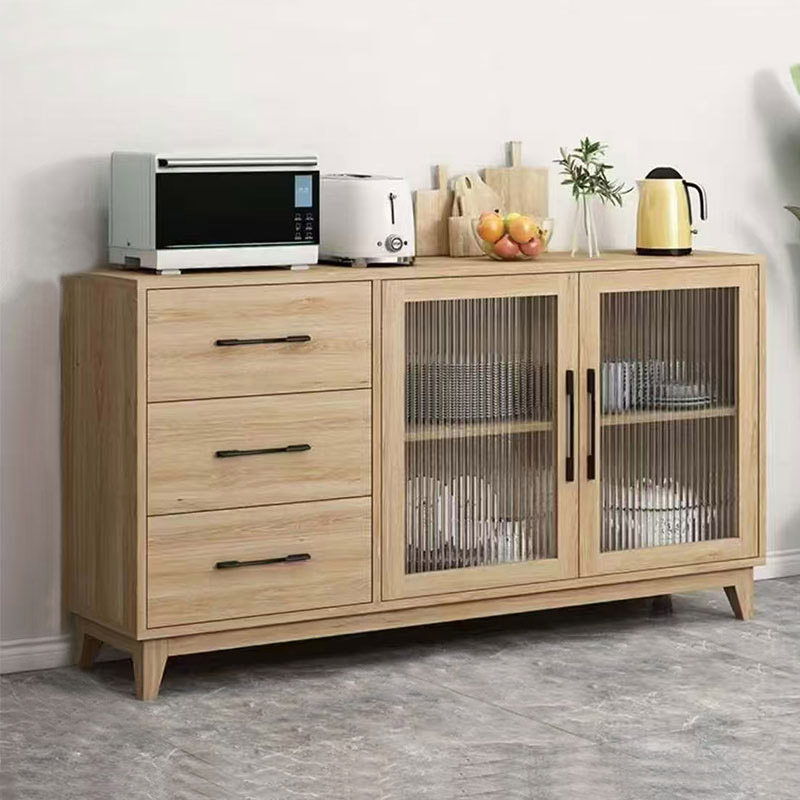
Table of Contents
- 1. Design Planning and Functional Layout
- 2. Material Selection and Structural Strength
- 3. Precision Cutting and Panel Processing
- 4. Assembly and Structural Reinforcement
- 5. Surface Finishing and Detail Treatment
- 6. Quality Control and Functional Testing
- 7. Manufacturing Advantages and Customization Capabilities
- Conclusion
1. Design Planning and Functional Layout
The first step in making a sideboard cabinet is design planning. This stage defines the cabinet’s overall dimensions, internal structure, and usage purpose. Because sideboards are typically wider than they are tall, structural stability and weight distribution must be carefully considered during design.
Design planning usually involves deciding the number of doors, drawers, and shelves, as well as internal storage depth. A well-designed sideboard ensures that frequently used items are easily accessible while heavier items are supported by reinforced panels. Proportions are also critical, as sideboards must visually align with dining Tables, sofas, or wall widths without appearing bulky.
2. Material Selection and Structural Strength
Material choice directly affects the durability and appearance of a sideboard cabinet. Common materials include engineered wood panels, solid wood components, metal hardware, and surface finishes that enhance wear resistance.
High-quality sideboard cabinets use stable core materials that resist warping and deformation over time. Internal panels must support consistent load-bearing performance, especially in cabinets designed for tableware or appliances. Hardware components such as hinges, drawer slides, and connectors are selected based on smooth operation and long service life rather than appearance alone.
Professional manufacturers focus on material compatibility, ensuring that expansion, contraction, and long-term use do not compromise structural integrity.
3. Precision Cutting and Panel Processing
Once materials are selected, panels are cut and processed according to design specifications. Precision cutting ensures tight joints and clean edges, which are essential for both structural stability and final appearance.
At this stage, attention is given to:
Accurate panel dimensions
Consistent edge alignment
Smooth surface preparation
Proper drilling for hardware installation
Any deviation during cutting can affect assembly accuracy later. This is why controlled machining and quality checks are critical in professional sideboard cabinet production.
4. Assembly and Structural Reinforcement
Assembly is where the sideboard cabinet takes its final shape. Panels are joined using a combination of mechanical fasteners, concealed connectors, and reinforced joints. Because sideboards are often used to store heavy items, internal reinforcement is a key focus during assembly.
Drawers and doors are aligned carefully to ensure even gaps and smooth opening. Internal shelves are positioned to balance storage capacity and load distribution. Proper assembly ensures that the cabinet remains stable even after years of daily use.
Manufacturing advantages become clear at this stage, as experienced production teams can identify and correct alignment issues before finishing, preventing future functional problems.
5. Surface Finishing and Detail Treatment
Surface finishing defines the visual character of a sideboard cabinet. This stage includes sanding, coating, and protective treatments that enhance both appearance and durability. Finishes are selected to resist scratches, moisture, and daily wear.
Edge treatment is especially important, as sideboards often feature wide surfaces that are visually prominent. Clean lines, consistent color tones, and uniform textures reflect the quality of craftsmanship. Finishing also plays a role in maintenance, as smooth surfaces are easier to clean and retain their appearance longer.
6. Quality Control and Functional Testing
Before a sideboard cabinet is ready for delivery, it undergoes quality control checks. These checks focus on structural stability, drawer and door operation, surface consistency, and overall alignment.
Testing ensures that:
Doors open and close smoothly
Drawers glide without resistance
Panels remain stable under load
Finishes are uniform and free of defects
Consistent quality control is one of the key advantages of professional sideboard cabinet manufacturing, reducing customer complaints and extending product lifespan.
7. Manufacturing Advantages and Customization Capabilities
Professional sideboard cabinet production allows for customization that meets different space and usage requirements. Adjustments to size, internal layout, and finish enable sideboards to fit specific interior styles and functional needs.
DAKSHOME develops sideboard cabinet solutions with a focus on balanced structure, reliable materials, and refined finishing processes. Manufacturing advantages such as standardized quality control, experienced craftsmanship, and flexible design options ensure that each cabinet delivers both functional performance and visual harmony in modern interiors.
Customization also supports project-based applications, where consistent quality and repeatable production standards are essential.
Conclusion
Making a sideboard cabinet is a detailed process that involves thoughtful design, careful material selection, precise manufacturing, and rigorous quality control. Each stage contributes to the cabinet’s durability, usability, and visual appeal. Understanding how a sideboard cabinet is made helps highlight the value of professional craftsmanship and manufacturing expertise. A well-constructed sideboard cabinet is not just storage furniture, but a long-term investment in both function and interior design.