
Are Nightstands Necessary in A Bedroom?
Nightstands are not strictly necessary in every bedroom, but for most people they become one of the highest-impact pieces of furniture because they solve daily problems that show up around the bed: where to place your phone and water, how to control lighting without getting up, how to keep small items from drifting into clutter, and how to make the bed area feel finished and balanced. If you have ever used the floor as a temporary surface for chargers, books, glasses, or remote controls, you have already experienced why a dedicated bedside surface tends to improve comfort and organization.
This article explains when nightstands are truly worth it, when you can skip them, and how to choose the right design so it fits your space and routine. The guidance is written around DAKSHOME products and configurations available here: nightstand.
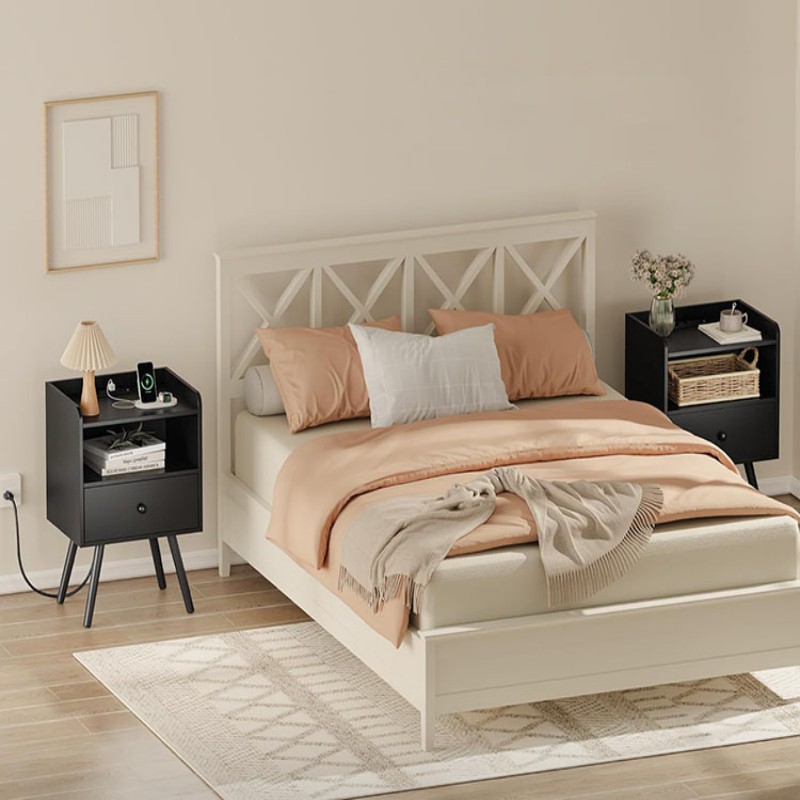
Table of Contents
- 1. What a Nightstand Really Provides Beyond a Small Table
- 2. When Nightstands Are Worth It
- 3. When You Can Skip Nightstands and Still Have a Functional Setup
- 4. Single Nightstand or Two: The Practical Decision
- 5. How to Choose the Right Nightstand for Daily Use
- 6. Matching Style to a Bedroom Without Making It Look Busy
- 7. Why DAKSHOME Nightstands Make Sense
- Conclusion
1. What a Nightstand Really Provides Beyond a Small Table
A nightstand is a bedside work zone. In real life, it acts as a landing spot for items you reach for when you are tired, half-asleep, or waking up. That context is important because Bedroom Furniture needs to be convenient, not just attractive. The most basic function is a stable surface at the right height so you can place a phone, glass of water, book, or lamp without stretching. Once you add drawers or open compartments, a nightstand becomes a compact organizer that keeps small essentials from turning into visual noise.
A nightstand also improves how a bedroom feels. A bed with nothing beside it can look unfinished, especially in larger rooms. A pair of matching nightstands creates symmetry, while a single nightstand can still make the bed zone feel intentional and anchored. This is one reason designers often treat nightstands as part of the bed composition, not as optional extras.
2. When Nightstands Are Worth It
Nightstands are usually worth it if any of the following are true for your daily routine.
If you use bedside lighting, a nightstand makes lamp placement easy and safe. Without one, lamps often end up on the floor or on unstable surfaces, which increases the risk of knocks and tangled cords. If you charge devices overnight, a nightstand gives chargers a consistent place to live, keeps cables from crossing walk paths, and reduces the habit of placing electronics on the bed where they can fall.
If you like reading in bed, a nightstand becomes a convenience tool. Books, glasses, hand cream, earplugs, and notes stay in one zone instead of being scattered. If your bedroom is shared, nightstands prevent friction by giving each person their own bedside storage and surface, which helps reduce clutter and makes nighttime routines smoother.
In compact bedrooms, nightstands can feel even more necessary because there are fewer alternative surfaces. In those spaces, a slim but functional nightstand often replaces extra shelving or a small dresser that you do not have room for.
3. When You Can Skip Nightstands and Still Have a Functional Setup
There are situations where nightstands are not essential, and skipping them can be a valid design choice.
If your bed already includes a built-in surface such as a headboard with storage, you may not need a separate table beside the bed. If your bedroom is extremely narrow, a full-width nightstand can block movement, making the room less practical. In that case, wall-mounted alternatives or very slim tables might perform better. If you rarely keep items near the bed and you prefer a minimal space, you may find that one small surface, or even none, feels cleaner.
Even if you skip a traditional nightstand, the underlying need usually remains: a controlled place for essentials. The choice is less about whether you need storage and more about what form the storage takes. That is why narrow designs, tall nightstands, or models with vertical storage often work well when floor space is limited. DAKSHOME offers multiple nightstand styles and formats, including tall drawer units and modern designs aimed at different space conditions.
4. Single Nightstand or Two: The Practical Decision
People often ask whether one nightstand is enough. The honest answer depends on how the bedroom is used.
Two nightstands make sense when the bed is centered, the room allows clear walk space on both sides, and two people use the bed regularly. Each person gets their own surface, light, and storage, which prevents crowding and keeps the bedroom balanced. Two nightstands also simplify styling because symmetry naturally looks tidy and calm.
A single nightstand can be the better choice when the bed is against a wall, the room is narrow, or you want a cleaner, more open look on one side. In shared rooms, a single nightstand can still work if the other side is supported by a shelf, a headboard ledge, or a built-in surface. If your bedroom layout forces one side to be tighter, choosing one well-designed nightstand and keeping the opposite side visually lighter can actually make the room feel larger.
5. How to Choose the Right Nightstand for Daily Use
A nightstand should match your habits first and your style second. The most common mistake is choosing based on appearance only, then discovering that the height feels awkward, storage is insufficient, or the surface is too small for real use.
Start with height. Ideally, the nightstand top should be close to mattress height so you can reach items naturally. Too low and you bend and fumble. Too high and it feels bulky and less comfortable to use from bed. Next, choose storage based on what you actually keep nearby. Drawers are useful if you want a visually clean surface and prefer to hide small items. Open compartments are useful if you want fast access to books or frequently used items. Many modern formats combine both, which keeps the top uncluttered while still making some items easy to grab.
Then consider stability and cleaning. In bedrooms, dust accumulates quickly around furniture legs and corners. Designs with raised legs can make floor cleaning easier and keep the room feeling lighter. For example, DAKSHOME modern nightstands often emphasize clean lines and stable support, with some designs featuring tall metal legs that create a lightweight look and help with cleaning access.
Finally, consider lifestyle features. If you like soft lighting at night, an LED nightstand can create ambient light without adding a separate lamp, which can be helpful in smaller spaces or modern interiors. DAKSHOME also offers LED bedside table options and sets, including compact dimensions aimed at functional bedside use.
6. Matching Style to a Bedroom Without Making It Look Busy
Nightstands influence the visual tone of the whole bedroom because they sit at eye level beside the bed. The goal is to make them look intentional, not like afterthoughts.
If your bedroom is modern and minimal, choose clean silhouettes, simple hardware, and a consistent finish that complements the Bed Frame. Dark surfaces can create contrast in light bedrooms, while wood tones soften the look and add warmth. If your room leans industrial, combinations like metal frames with wood tones can fit naturally. If you want a more high-tech feel, a glossy finish or integrated lighting can reinforce the style direction while keeping the setup streamlined.
The most reliable approach is to choose one design language and repeat it across the bedside zone. That does not always mean two identical nightstands, but it does mean consistent materials, proportions, and finish tones. DAKSHOME’s nightstand category includes multiple style directions and model types, which helps you keep a unified look even when you are choosing different storage formats.
7. Why DAKSHOME Nightstands Make Sense
If you decide that nightstands are necessary for your bedroom, the next question is whether you can get the exact format your space needs without compromising on style. This is where a broad product range matters. DAKSHOME’s nightstand lineup highlights multiple models and also emphasizes customizable design options to meet different requirements.
From a practical viewpoint, the value comes from being able to choose the right balance of surface space, drawers, open compartments, height profile, and optional lighting style. For example, some models focus on modern minimal lines and storage compartments, while others integrate drawers and open storage for daily accessibility. If your goal is to outfit bedrooms consistently across a project, or simply to match a specific bedroom aesthetic at home, having multiple coordinated nightstand formats under one collection reduces the risk of mismatched proportions and finishes.
You can review available models and inquiry options here: nightstand
Conclusion
Nightstands are not required to have a functional bedroom, but for most bedrooms they are a practical upgrade because they create a dedicated bedside zone for lighting, charging, reading essentials, and clutter control. They also improve how the bed area looks by adding structure and balance. If space is tight, a tall or slim nightstand can deliver the same convenience without crowding the room. If you prefer a modern, clean look, choosing a consistent style and storage format helps the bedroom feel calm rather than busy.
If you want nightstands that offer multiple formats and style directions, with options suitable for different bedroom layouts, explore the DAKSHOME collection here: nightstand.