
How To Make More Space In Wardrobe?
A wardrobe does not need to be physically larger to feel more spacious. In many bedrooms, the real problem is not the cabinet size itself but the way the storage is arranged. Clothes are often stacked without a clear system, hanging areas are used for items that could be folded, and upper sections are left half-empty because they are difficult to access. Once these problems build up, even a large wardrobe can feel overcrowded.
Making more space in a wardrobe starts with understanding how the interior is being used. A wardrobe usually has three main storage zones: hanging space, shelf space, and drawer space. When these zones are used without planning, clothing tends to spread unevenly. Long garments may occupy valuable vertical room, folded pieces may become unsTable piles, and small accessories can take over drawers that should be reserved for daily essentials. The result is not only less capacity but also slower daily use.
For this reason, the most effective way to create more space is to improve storage efficiency rather than simply remove a few items and hope for the best. A practical wardrobe should support better organization through a clear internal structure and furniture design that matches real bedroom habits.
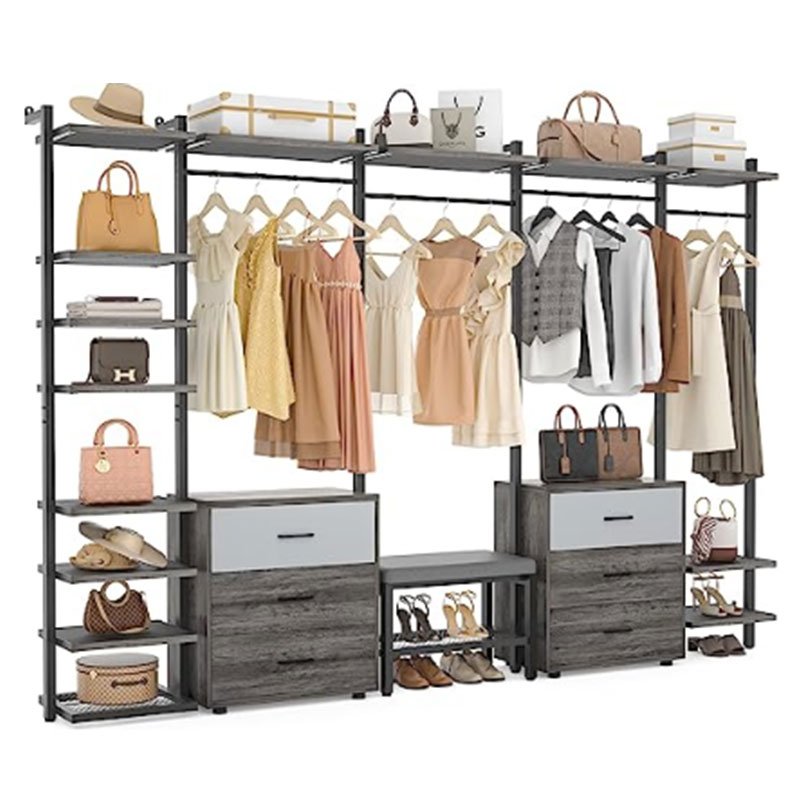
Table of Contents
- Start By Reorganizing Clothing By Use Frequency
- Make Better Use Of Vertical Space
- Reduce Bulk Inside The Hanging Section
- Turn Shelves Into Controlled Storage Zones
- Use Drawers For Compact Items Instead Of Letting Them Spread
- Choose A Better Internal Layout Instead Of A Bigger Cabinet
- Keep The Wardrobe Easy To Maintain
- Conclusion
Start By Reorganizing Clothing By Use Frequency
One of the simplest ways to free up wardrobe space is to separate clothes according to how often they are used. Daily essentials should stay in the easiest-to-reach areas, while seasonal items, occasion wear, and low-use accessories can move to upper shelves or less accessible sections.
This change alone often creates visible improvement. Frequently used shirts, trousers, or dresses become easier to locate, and valuable front-facing storage stops being blocked by items that are rarely worn. It also reduces the need to disturb the whole wardrobe when looking for one garment, which helps maintain order over time.
In smaller bedrooms, this approach works especially well because every shelf and rail needs to support regular use. Storage becomes more efficient when the most active part of the wardrobe is reserved for the most active part of daily life.
Make Better Use Of Vertical Space
A large amount of wardrobe space is often lost above hanging garments or between shelf levels. Many wardrobes have enough height to store much more, but the interior is not always used to its full potential. This is where vertical planning becomes important.
Short garments such as shirts, skirts, and folded knitwear do not always need the same amount of height as coats or dresses. When users group clothing by length, more usable room becomes available for lower storage, extra drawers, or stacked accessories. Upper shelves can also hold storage boxes, bedding, or less frequently used items instead of remaining partly empty.
This is one reason many buyers now prefer storage designs that combine hanging zones with shelves and drawer sections rather than relying on one large open cavity. On DAKSHOME’s Bedroom Wardrobe page, the category includes products such as wardrobes with drawers, closet organizers, and large storage capacity custom closet systems, which shows how modern wardrobe layouts are being shaped around more structured storage needs.
Reduce Bulk Inside The Hanging Section
The hanging area is often the first place that feels crowded. In many wardrobes, garments are placed together without considering thickness, category, or actual need for hanging storage. Heavy winter items, oversized outerwear, and occasional-use pieces can quickly take over the rail and make the entire interior feel smaller.
A better approach is to reserve hanging space for items that truly benefit from it. Shirts, jackets, dresses, and structured garments are usually suitable for rails. Soft casual wear, knitwear, and some seasonal pieces can often be folded more efficiently on shelves or placed in drawers. This shift creates more breathing room on the rail and helps each garment stay easier to see.
Slimmer hangers can also improve spacing. Bulky mixed hangers create uneven lines and reduce the number of garments that can be stored comfortably. The goal is not to compress clothing too tightly, but to give the rail a cleaner and more consistent layout.
Turn Shelves Into Controlled Storage Zones
Shelves can either save space or waste it. When folded clothing is piled too high, the stack becomes unstable and difficult to access. People then move items around repeatedly, and the whole section loses its function. A shelf works better when it is divided into smaller categories with clear boundaries.
This may include grouping knitwear, denim, sleepwear, or accessories in separate sections. Low, even stacks usually perform better than tall piles because they keep the shelf usable without creating visual clutter. When items are easier to see, people are less likely to duplicate purchases or forget what they already own.
For families or shared bedrooms, shelf zoning also helps assign areas to different users. This keeps the wardrobe from becoming one mixed storage block and improves daily efficiency without requiring more furniture.
Use Drawers For Compact Items Instead Of Letting Them Spread
Small clothing items and accessories often consume more wardrobe room than expected because they scatter across shelves and rail sections. Drawers solve this problem when they are reserved for compact categories such as underwear, socks, belts, scarves, or smaller seasonal accessories.
The key is to keep drawers focused. When one drawer holds too many unrelated items, it becomes a hidden clutter area. When each drawer has one clear purpose, the wardrobe as a whole becomes easier to manage. This is why wardrobes with drawer combinations are popular in modern Bedroom Furniture. They support cleaner internal zoning and reduce the pressure on shelves and hanging sections.
DAKSHOME’s wardrobe range includes several drawer-based designs such as single wardrobes with drawers, white wardrobes with drawers, and children’s wardrobes with drawers. These product directions are well aligned with the way many households now try to improve storage density without making the room feel heavier.
Choose A Better Internal Layout Instead Of A Bigger Cabinet
People often assume the only way to gain more wardrobe space is to buy a larger unit. In reality, a better internal layout can be more effective than extra width alone. A wardrobe with balanced rail sections, shelves, and drawers often stores clothing more efficiently than a bigger cabinet with a poorly planned interior.
This matters for buyers working with bedroom collections or retail programs. A custom wardrobe manufacturer or wardrobe supplier is not only offering exterior style. The internal structure is equally important because it affects how useful the product feels after installation. A wardrobe that supports real storage behavior will usually perform better in long-term use than a wardrobe chosen only for size or appearance.
DAKSHOME lists twelve bedroom wardrobe products on its category page, including freestanding wardrobes, open-shelf closet organizers, and large-capacity closet systems with drawers. That variety gives buyers more options when they need to match wardrobe format to room size and user habits.
| Storage Area | Common Problem | Better Way To Use It |
|---|---|---|
| Hanging rail | Too many thick or low-use garments | Hang only structured and frequently used clothing |
| Upper shelves | Hard-to-reach empty zones | Store seasonal items, boxes, or spare bedding |
| Mid shelves | Tall unstable piles | Create lower grouped stacks by clothing type |
| Drawers | Mixed small-item clutter | Assign one category to each drawer |
| Bottom area | Unused floor section | Place baskets, shoes, or folded bulky items |
Keep The Wardrobe Easy To Maintain
A wardrobe only stays spacious when the storage system is easy to continue. If the arrangement is too complicated, it usually falls apart within a few weeks. The best layout is one that works naturally with everyday habits. Frequently worn pieces should go back into easy-access zones. Less-used items should not interfere with daily movement. Drawers and shelves should be simple enough that anyone in the household can maintain them.
This long-term view is important in furniture design as well. DAKSHOME presents itself as a bedroom furniture manufacturer with quality control covering raw material, production, packing, and loading. For wardrobe products, this kind of consistency matters because stable construction, workable drawer layouts, and practical internal division all affect how the furniture performs after it reaches the bedroom.
Conclusion
Making more space in a wardrobe is usually a matter of layout, not luck. Once clothing is organized by frequency of use, vertical space is used properly, hanging areas are kept under control, and drawers are assigned clear roles, the same wardrobe can hold more while feeling easier to use. The improvement comes from structure, visibility, and better daily habits rather than from forcing more clothing into the cabinet.
DAKSHOME offers bedroom wardrobe solutions in several formats, including freestanding wardrobes, drawer wardrobes, closet organizers, and larger custom wardrobe systems for different room plans. If you are selecting bedroom storage products and need help choosing a suitable layout or developing a practical wardrobe solution for your market, contact DAKSHOME for product guidance and sourcing support.
Previous: Where To Buy Wardrobe for Cheap
Next: What Is The Wardrobe?