
How To Organise A Samll Wardrobe
The good news is that a small wardrobe can still work well when the layout is used properly. In many bedrooms, a compact wardrobe with hanging space, drawers, and a lower storage section can hold much more than people expect. The key is not trying to fit everything in at once, but giving each type of item its own place and making the wardrobe easier to use every day.
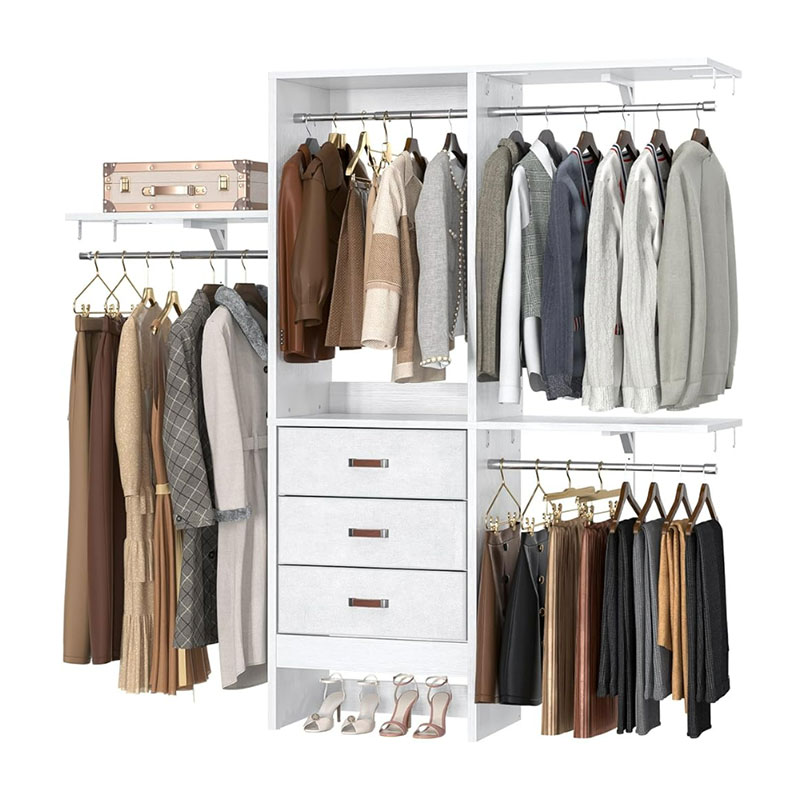
Table of Contents
- Start By Clearing The Space Completely
- Divide The Interior By Function
- Keep Hanging Space Focused On The Right Items
- Use Drawers To Reduce Surface Clutter
- Fold Only What Really Belongs Folded
- Make The Bottom Section Work Harder
- Keep The Wardrobe Easy To Maintain
- Match The Storage To The Room
- Conclusion
Start By Clearing The Space Completely
The easiest way to organise a small wardrobe is to begin with an empty interior. This gives you a clear view of the actual storage space instead of working around the mess that is already there. Once the wardrobe is empty, it becomes much easier to see how much room is available for hanging clothes, folded items, and smaller daily essentials.
This first step also helps identify what really needs to stay inside. Many wardrobes feel too small because they are holding things that do not belong there anymore. Unused clothes, old bags, or random household items often take up valuable space. A smaller wardrobe works better when it is reserved for the clothing and accessories used most often.
Divide The Interior By Function
A small wardrobe should not be treated as one single storage box. It works much better when the inside is divided by function. Hanging sections should be kept for clothing that wrinkles easily, such as shirts, jackets, dresses, or coats. Drawers are more useful for underwear, socks, sleepwear, or accessories. The lower open area can be used for shoes, baskets, or storage boxes.
This kind of arrangement creates order without needing extra complexity. It also saves time every day because each category has a fixed location. A white wardrobe with central drawers and multiple hanging sections is especially practical for this because the layout already supports that kind of separation. Instead of forcing everything onto one rail, it allows clothing and smaller items to be stored in a more balanced way.
Keep Hanging Space Focused On The Right Items
In a small wardrobe, hanging space is often the first area to become overcrowded. When too many items are placed on one rail, clothes become difficult to see and harder to remove. The wardrobe may look full even when there is still usable room elsewhere.
A better approach is to reserve the hanging area for items that really benefit from it. Formal shirts, coats, blouses, and outfits used regularly should stay on the rail. Thick seasonal items that are not currently in use can be stored elsewhere if needed. This keeps the hanging section neat and makes the wardrobe easier to manage.
If the wardrobe includes more than one hanging rail, it helps to separate long and short garments. This creates a tidier visual structure and makes better use of the vertical space.
Use Drawers To Reduce Surface Clutter
Drawers are one of the most useful parts of a small wardrobe because they hide small items that would otherwise create visual clutter. Loose accessories, undergarments, belts, or folded basics can easily make a wardrobe look disorganized when they are left on shelves or pushed into corners.
A wardrobe with drawers solves this problem more naturally. Each drawer can take on a simple role. One may hold underwear and socks, another can hold accessories or daily essentials, while another may be used for smaller folded pieces. This keeps the main wardrobe area calm and helps the user find things faster.
In practical bedroom use, drawers often make a small wardrobe feel larger because they turn scattered items into controlled storage.
Fold Only What Really Belongs Folded
Not all clothing should be folded, and not all folded items belong on open shelves. In a small wardrobe, folding works best for knitwear, casual tops, lightweight trousers, or pieces that do not need hanging. But when too many folded stacks are placed on visible shelves, the wardrobe can start to look crowded again.
The best method is to keep folded clothing compact and sTable. Smaller stacks are easier to maintain than one large pile. When the wardrobe has a lower shelf or bottom compartment, storage boxes can also help separate folded pieces from shoes or other items. This creates a cleaner overall look and makes better use of the space near the base of the wardrobe.
Make The Bottom Section Work Harder
The bottom part of a wardrobe is often underused, especially in smaller bedroom storage. Many people leave it empty or let it become a place for random items. In reality, this area can be one of the most useful sections when organised properly.
Shoes, soft storage bins, or rarely used accessories can all be placed here in a controlled way. In wardrobes with an open bottom compartment, the space is especially useful because it keeps heavier or less delicate items away from hanging clothes and drawers. This makes the whole interior feel more balanced and prevents the upper sections from becoming overloaded.
A well-used lower section also helps improve daily access. Instead of putting everything at eye level, it spreads storage more naturally across the full wardrobe height.
Keep The Wardrobe Easy To Maintain
A small wardrobe only stays organised if the system is simple enough to maintain. If the arrangement is too complicated, it usually falls apart after a few days of normal use. That is why the best organisation method is the one that fits everyday habits.
Frequently worn items should stay in the easiest-to-reach area. Drawers should not be packed so tightly that they are difficult to open or close. Hanging sections should leave enough space to move garments without pulling everything out at once. When the wardrobe feels easy to use, it is much more likely to stay tidy.
This is also where furniture design matters. A wardrobe with a practical internal layout often makes organising easier from the start. Instead of needing many extra organizers, the structure itself supports better storage.
Match The Storage To The Room
A small wardrobe is often used in bedrooms where floor area is limited, so the furniture has to work hard without making the room feel heavy. A clean white wardrobe is especially useful in this setting because it keeps the visual effect lighter while still offering practical storage. In smaller bedrooms, this matters just as much as the inside layout.
The right wardrobe should do more than store clothes. It should help the room stay calm and presentable. When drawers, hanging rails, and bottom storage are combined well, the result feels more complete and more efficient, even if the wardrobe itself is not large.
Conclusion
Knowing how to organise a samll wardrobe is really about using every section with purpose. Hanging space should be reserved for the right clothes, drawers should control the smaller essentials, and the lower section should support shoes or storage boxes instead of becoming wasted space. Once each area has a clear function, even a compact wardrobe can feel much more practical and much easier to live with.
If you are looking for a Bedroom Wardrobe with a cleaner layout and more useful storage details, feel free to contact our team. We can help you explore suitable wardrobe styles, storage configurations, and product options for different bedroom spaces and market needs.
Previous: