
How To Build Shoe Storage?
Shoe storage is not only about finding a place to put shoes. In real homes, it is about keeping the entryway cleaner, making daily routines easier, and using limited space in a more organized way. That is why more buyers no longer look at shoe storage as a single cabinet or a simple rack. They want a solution that can handle shoes, coats, bags, keys, and small daily items together. For importers, furniture wholesalers, project buyers, and private label brands, this also changes how shoe storage products are selected and developed.
When people search for how to build shoe storage, they may be thinking about a DIY project, but from a product sourcing point of view, the better question is how to build a storage system that really works in modern entryways. A practical storage design needs to balance space efficiency, convenience, load-bearing strength, and visual style. That is exactly why integrated entryway furniture has become more attractive in the market.
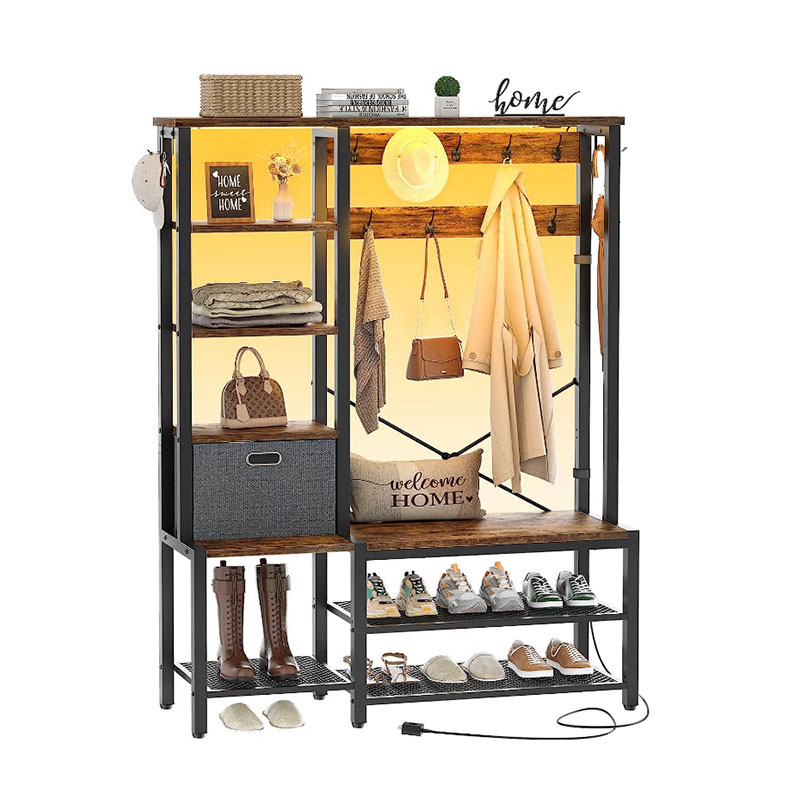
Table of Contents
- Why Shoe Storage Needs More Than Shelves
- Start With The Daily Use Scenario
- Build Vertical Storage Instead Of Only Floor Storage
- Combine Seating With Shoe Organization
- Make The Layout Adaptable
- Think About Style As Part Of Storage Value
- Why B-End Buyers Care About More Than Capacity
- How To Build A Better Product Line Around Shoe Storage
- Conclusion
Why Shoe Storage Needs More Than Shelves
A basic shoe rack can solve one problem, but most households need more than that. Shoes usually collect near the entrance together with coats, backpacks, umbrellas, hats, and small personal items. If only the shoes are organized, the space can still feel messy. This is why good shoe storage should be planned as part of a complete entryway setup rather than as a single-purpose unit.
In many homes, especially apartments and compact layouts, people do not have the extra space for separate benches, coat racks, side Tables, and shoe cabinets. They need one piece of furniture that combines these functions in a clean and practical way. From a B-end buying perspective, that is also why multifunctional storage products are easier to position in the market. They offer stronger value in a smaller footprint and make product descriptions more convincing for retail and project sales.
Start With The Daily Use Scenario
To build shoe storage properly, the first step is to think about how the space is used every day. Some households need a place to change shoes quickly before leaving home. Some need enough hooks for coats and bags. Some want open shelves for baskets, decorations, or small storage boxes. Others need a slim structure that fits against a wall without taking too much floor area.
This kind of real-life use is where product design becomes important. Shoe storage should not only look tidy in a photo. It should support the movement of coming in, taking off shoes, hanging outerwear, placing small items, and getting ready to go out again. If the design ignores these steps, the furniture may still look good but work poorly in daily life.
That is why integrated entryway furniture has become a stronger category than ordinary shoe racks alone. Buyers are looking for products that solve the whole entrance routine, not just one part of it.
Build Vertical Storage Instead Of Only Floor Storage
One of the smartest ways to build shoe storage is to use vertical space. Many entryways are narrow, but they still have usable wall-side height. A product that combines bottom shoe racks with upper hooks and side shelving uses this vertical area much more efficiently than a low shoe cabinet alone.
This is where a hall tree with shoe storage has clear value. Instead of treating the entrance as a place for only shoes, it turns the whole wall into a functional storage zone. Shoes stay at the base, coats and bags stay above, and side shelves can hold baskets, décor, or other daily essentials. That kind of structure is especially useful in apartments, rental units, and family homes where every part of the entryway needs to work harder.
For wholesalers and furniture buyers, this also creates a stronger sales angle. A multifunctional product is easier to present as a space-saving solution, especially when customers want one purchase to solve multiple storage needs at once.
Combine Seating With Shoe Organization
Another important point in shoe storage design is seating. In daily use, people often want to sit down when putting on or removing shoes. Without a bench, the storage setup feels less complete. This is why bench-based shoe storage continues to perform well in both online and offline furniture markets.
A built-in bench also improves the logic of the furniture. It creates a natural central point in the entryway where shoes are changed, bags are placed, and daily routines start or end. Instead of using scattered furniture pieces, the user gets one organized location for repeated everyday actions.
Our product connects naturally to this idea because it combines a shoe-changing bench with lower shoe storage, upper hooks, and side shelves in one cohesive design. For B-end buyers, this matters because customers increasingly expect furniture to be practical, compact, and ready to fit real living habits rather than only offering one isolated function. The same product page also highlights a reinforced structure with engineered wood and powder-coated steel, plus a bench designed for daily sitting use, which supports that functional positioning.
Make The Layout Adaptable
To build shoe storage well, flexibility matters almost as much as capacity. Entryways do not all have the same wall direction, door opening, or walking path. A rigid layout can make a good-looking product difficult to use in real homes. That is why adaptable structure is now a more attractive selling point in entryway furniture.
A flexible design allows the shelving side or storage direction to work better with different floor plans. This is especially valuable for project buyers, online sellers, and OEM customers who want products that suit a wider range of end users. A more adaptable structure can reduce hesitation during purchase because it solves layout concerns before they become objections.
Our hall tree product is a good example of this because the side shelving section can be arranged to suit different entryway directions, making the design easier to fit into more homes. For distributors and retailers, that kind of flexibility can improve product appeal without needing multiple completely different models.
Think About Style As Part Of Storage Value
Shoe storage is practical, but it also sits in one of the most visible parts of the home. The entryway shapes the first impression of the interior. If the furniture looks too plain or too temporary, it can weaken the overall feeling of the space even if it is functional.
That is why many buyers now prefer shoe storage with a more complete design language. A combination of wood tones and dark metal often works well because it feels structured, modern, and easy to match with different interiors. Instead of looking like a utility rack, the piece becomes part of the home décor.
From a supply point of view, style matters because it affects market positioning. A better-looking product is easier to photograph, easier to describe in product listings, and easier to fit into online retail trends. This is also where OEM and ODM cooperation can become important. Some buyers may want different finishes, shelf arrangements, or packaging methods to suit their own sales channels and customer groups.
Why B-End Buyers Care About More Than Capacity
For B-end customers, the real concern is not just how many pairs of shoes a product can hold. They also care about packaging efficiency, repeat order consistency, assembly practicality, load-bearing stability, and whether the product solves a broader furniture need. A storage unit that looks useful but creates installation complaints or shipping damage will quickly lose value in real business.
This is why many professional buyers prefer to work directly with a supplier rather than buy only from open-market stock offers. They want to understand whether the structure is stable, whether materials are consistent, whether the design can be adjusted, and whether OEM or ODM development is possible for longer-term cooperation.
A good entryway product is easier to sell when it answers several customer needs at once. That is one reason hall tree products perform well. They are not only shoe storage. They also answer coat storage, seating, shelf organization, and entryway presentation in one piece.
How To Build A Better Product Line Around Shoe Storage
For brands and wholesalers, building shoe storage is not only about one SKU. It is often about building a collection that can meet different room sizes, usage habits, and design preferences. A slim hall tree may work well for apartment living. A larger version may be better for family homes. Some markets may prefer rustic wood tones, while others may want cleaner modern finishes.
This is where supplier cooperation becomes important. A reliable furniture supplier can help buyers think beyond one standard product and move toward a broader category strategy. That may include OEM sizing, packaging customization, finish development, or structural adjustments based on target market feedback.
The value of this approach is simple. Instead of offering a single storage item, the buyer builds a stronger entryway storage range with clearer market logic and better repeat-order potential.
Conclusion
So, how to build shoe storage? The best answer is to build it as a complete entryway system rather than only a place for shoes. Good shoe storage should combine practical capacity with vertical organization, a comfortable bench, flexible layout, and a style that fits modern homes. That is why integrated solutions continue to attract more attention than simple racks or single-function cabinets.
If you are sourcing entryway furniture, developing a private label collection, or looking for a supplier that can support OEM or ODM projects, we can help you match the right direction for your market. Share your target size, style preference, or sales channel with us, and we can work with you on a shoe storage solution that is more practical for daily use and stronger for long-term business.
Previous: How To Organize Work Desk?