
How To Arrange Books on A Bookshelf ?
A bookshelf is not just for storage. It shapes how a space feels, how easy it is to use, and how often people keep it organized. When books are arranged without structure, even a good shelf looks messy. When arranged properly, the same shelf becomes functional, clean, and visually balanced.
For project buyers, wholesalers, and furniture importers, this matters more than it seems. A bookshelf with a clear arrangement logic is easier to sell because customers can immediately see how it improves daily living. That is where a wide four-tier bookshelf works well. It offers enough space for books, decor, and practical storage without making the room feel crowded.
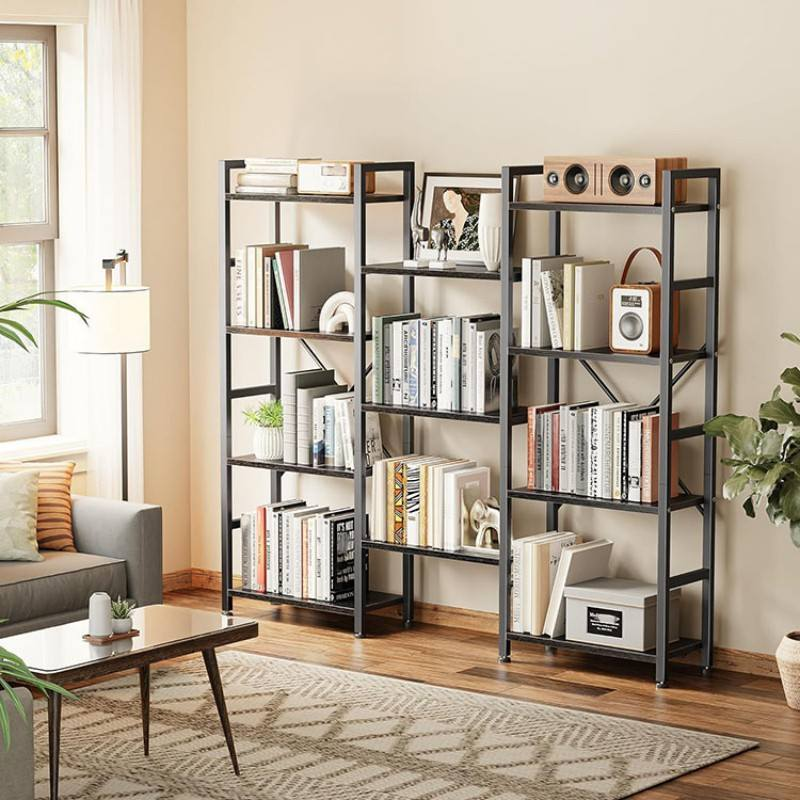
Table of Contents
Start With A Clear Purpose
Before placing a single book, it is important to decide what the shelf is meant to do. Some users need pure book storage. Others want a mix of display and function. In real spaces, most bookshelves serve multiple roles.
Instead of filling every shelf the same way, it is better to assign a purpose to each level. One shelf can be used for frequently read books. Another can hold larger volumes. Another can mix books with decorative items. This creates structure without making the shelf feel rigid.
This approach also helps buyers understand the product better. A bookshelf that supports multiple uses is easier to position in different markets, from home furniture to light commercial projects.
Use Visual Zoning To Keep It Organized
A common mistake is treating the entire bookshelf as one continuous space. This often leads to overcrowding. A better approach is visual zoning.
Divide each shelf into sections. Place books vertically on one side, leave a small gap in the middle, and use the other side for a horizontal stack or a simple decor item. This creates balance and makes the shelf easier to read visually.
This method works especially well with wider shelving. It allows users to organize without sacrificing space. It also helps maintain order over time because each section has a clear role.
For customers who want similar flexibility in smaller spaces, they often consider options like a 4 tier corner shelf, which follows the same idea of efficient space use with a compact footprint.
Mix Vertical And Horizontal Stacking
Books arranged only vertically can look too strict. Too many horizontal stacks can feel heavy. A mix of both usually works best.
Vertical rows are practical for daily use because they make books easy to access. Horizontal stacks can be used for larger books and can act as a base for small decorative items.
The key is balance. A few horizontal stacks are enough to add variation without reducing usability. This creates a more natural and relaxed look that fits both modern homes and styled interiors.
Arrange By Size And Usage
There is no single rule for organizing books, but combining size and usage usually gives the best result.
Heavier and larger books work better on lower shelves. This keeps the structure visually sTable and makes handling easier. Frequently used books should stay at eye or hand level for convenience.
Less-used books or decorative collections can go on higher shelves. This layered approach makes the shelf more practical while still looking organized.
For B-end buyers, this flexibility is important. A bookshelf that supports different user habits can be sold across more markets without modification.
Leave Space To Improve The Look
One of the biggest mistakes is trying to fill every inch of the shelf. This makes the unit look heavy and reduces its design value.
Leaving some open space helps the shelf breathe. It makes books stand out and keeps the overall look clean. In smaller rooms, this also prevents the space from feeling crowded.
A wide four-tier bookshelf naturally supports this because it offers enough room to balance storage and empty space. This makes it easier for users to maintain a neat appearance over time.
Add Simple Decorative Elements
A few non-book items can improve the overall look of a bookshelf. Small plants, framed photos, or simple objects can break up long rows of books and add visual interest.
The key is not to overdo it. Too many items make the shelf look cluttered and reduce its practicality. A few well-placed accents are enough to create a balanced result.
This is also useful for product presentation. A bookshelf that works for both storage and light display has stronger appeal in retail and project environments.
Why Shelf Design Still Matters
Arrangement depends on the user, but it also depends on the shelf itself. If the structure is too narrow or unbalanced, it becomes harder to organize.
A wide, open four-tier design makes arrangement easier. It allows users to combine vertical and horizontal stacking, create visual zones, and leave space where needed. This flexibility is one of the reasons this type of bookshelf works well in different environments.
From a sourcing perspective, this also improves product value. Buyers are not just purchasing a shelf. They are choosing how easy it is for their customers to use and style it.
What Buyers Look For In This Category
For wholesalers, importers, and private label buyers, a bookshelf needs more than a basic design. It needs to be adaptable, consistent, and easy to position in the market.
One common challenge is product similarity. Many bookshelves look alike, making it hard to stand out. Another is consistency across bulk orders. Differences in finish or structure can affect customer trust.
This is where OEM and ODM support becomes important. Buyers may need adjustments in size, finish, or packaging to match their market. A supplier that can support these needs helps reduce sourcing risks and improve long-term cooperation.
A bookshelf with a clear use case and flexible design is easier to scale across different sales channels.
Conclusion
Arranging books on a bookshelf is not just about placing items. It is about creating order, improving usability, and making the space feel more comfortable. A good arrangement uses purpose, balance, and spacing to keep the shelf functional and visually clean.
A wide four-tier bookshelf makes this process easier. It supports different arrangement methods, adapts to various room types, and works well for both storage and display. For B-end buyers, it also offers flexibility for different markets and supports OEM and ODM cooperation.
If you are sourcing bookshelves for wholesale, retail, or project use, you can share your requirements with us. We can help you evaluate suitable configurations and provide practical support for your next order.